

TBD Yunji Center
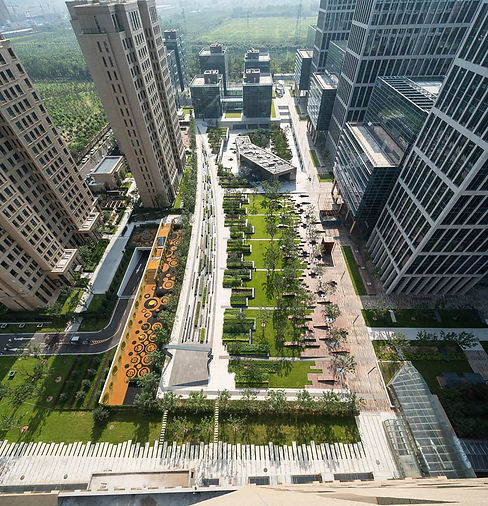
TBD Yunji Center is a thirteen-story commercial and mixed-use facility proposed for development. Its program is envisioned to support industries such as new-generation information technology, high-end equipment manufacturing, and education, with priority given to enterprises operating in big data, Internet of Things, and information systems. The building is to include commercial spaces, research or work-spaces, possibly laboratories or light industrial support, plus amenities and infrastructure to support high-tech tenants. Its scale (13 floors) suggests a substantial vertical build, with multiple zones that may combine office, facility, and public interface uses.
Construction & Development Experience
Constructing a facility like Yunji Center demands rigorous planning and coordination across many disciplines. Structurally, the building must accommodate loads typical of office / tech-equipment use: raised floors, heavy data racks, lab equipment, etc., which influence floor strength, vibration control, ceiling heights, and mechanical capacity. Envelope systems—walls, windows, insulation—must balance daylighting, solar control, and thermal performance to reduce HVAC loads. Interior systems like power distribution, backup power, cooling, and data networking will need robust design. There are also rigorous requirements for fire safety, accessibility, vertical transportation (elevators & stairs), as well as code-compliance for high occupancy / mixed uses. From foundation through roofing, building systems (mechanical, plumbing, electrical) must be sized for high capacity and reliability. The developer must coordinate with specialty trades for IT infrastructure, potentially clean rooms or labs, and ensure that structural, façade, and interior build-out tie together without disrupting long lead-time components.
Impact & Benefits
Once completed, Yunji Center should serve as a node for innovation and economic growth. It will provide high-quality space for technology and research firms, fostering clustering of capabilities in big data, IoT, and education, which tend to generate high-value jobs and attract talent. The new center will also help modernize facilities for these sectors, raising standards for efficiency, flexibility, and sustainability. For the surrounding area, it can stimulate the local economy—through construction jobs, supplier contracts, increased foot traffic, and demand for services. The building’s capability to host cutting-edge tenants can lead to spillover effects—knowledge sharing, startup formation, partnerships, and more. Environmentally and operationally, by designing for modern code, energy performance, and technological infrastructure, the facility should offer lower operating costs, better occupant comfort, and potential for long-term adaptability as tenant needs evolve.
